Municipal buildings and public spaces require materials that can do more than look good on opening day. From civic centers…
The construction and design industries are evolving rapidly, and one of the biggest drivers of that change is digital technology. Among these advancements, 3D fabrication concrete processes are redefining how architects and builders approach design, precision, and execution.
From complex architectural forms to highly customized concrete elements, custom concrete fabrication is no longer limited by traditional methods. With tools like CNC milling and advanced modeling software, designers can now bring ideas to life with a level of detail and efficiency that was once impossible.
What Is 3D Fabrication in Concrete?
At its core, 3D fabrication concrete refers to the use of digital tools and automated processes to design and produce molds, forms, and components used in concrete construction. Rather than relying solely on manual craftsmanship, fabrication begins with digital modeling and transitions into machine-driven production.
This process often includes:
- Digital 3D modeling of components
- CNC milling to create molds
- Precision fabrication of complex shapes
- Controlled casting for consistent results
To see how these processes are applied in real-world projects, you can explore 3D fabrication services used in architectural concrete production.
The Role of CNC Concrete Molds
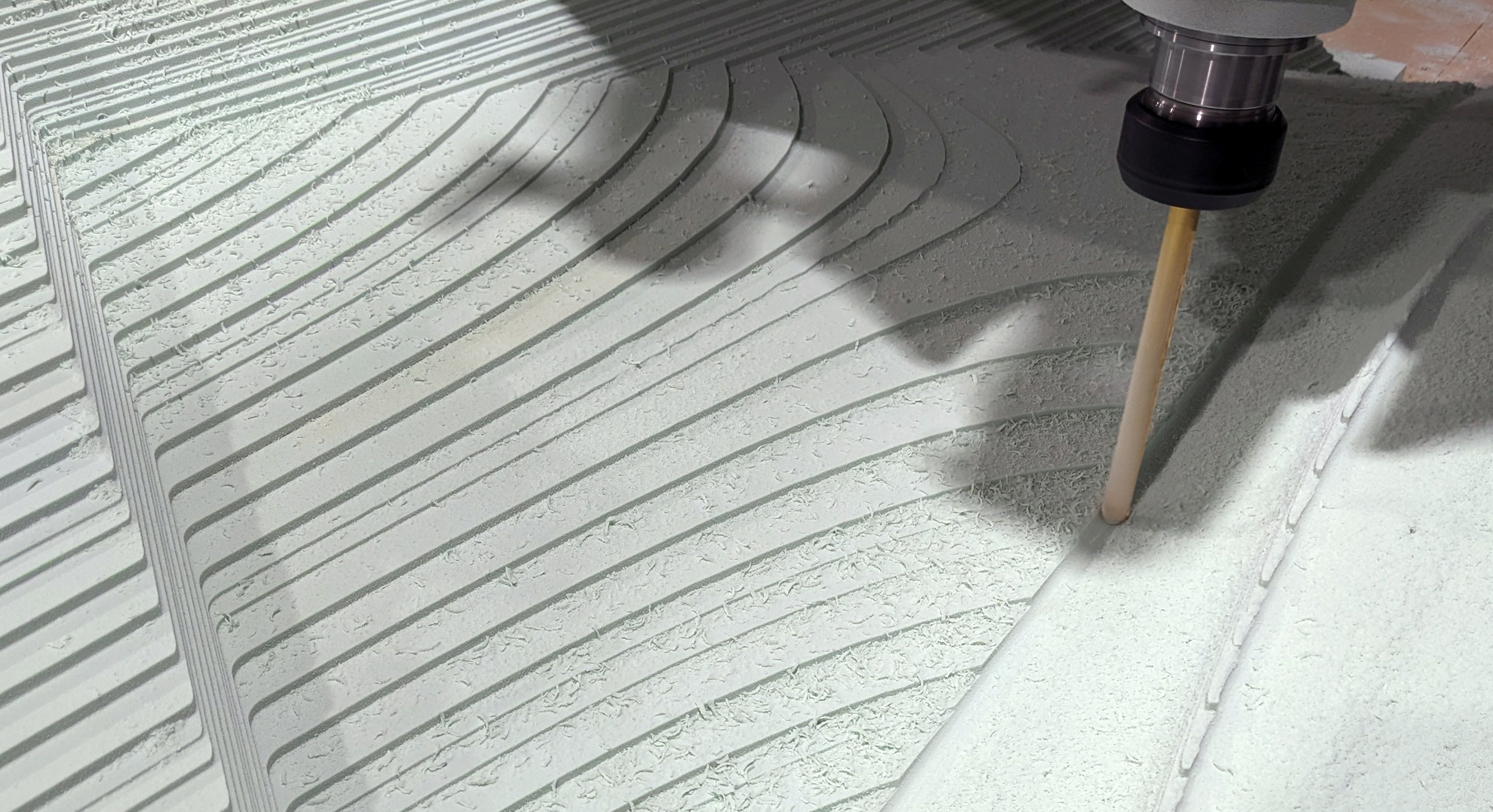
One of the most impactful elements of this process is the use of CNC concrete molds. CNC, or computer numerical control, allows machines to carve molds with extreme accuracy based on digital designs.
This technology enables:
- Complex geometries that are difficult to achieve by hand
- Consistent replication of detailed designs
- Reduced margin of error during production
With CNC concrete molds, architects can design intricate patterns, curved surfaces, and custom textures without compromising precision.
Why 3D Fabrication Is Transforming Architecture
Greater Design Freedom
Traditional concrete construction often limits creativity due to the constraints of formwork and manual processes. With custom concrete fabrication, those limitations are significantly reduced.
Architects can now design:
- Organic and curved forms
- Highly detailed surface textures
- Custom panel systems with unique geometries
This shift allows concrete to move beyond purely structural applications and into more expressive architectural roles.
Improved Precision and Consistency
Digital modeling ensures that every component is designed to exact specifications before production begins. This level of accuracy reduces errors during fabrication and installation.
When combined with CNC concrete molds, the result is a highly controlled process that produces consistent, repeatable results across large projects.
Efficiency in Production
Another major advantage of 3D fabrication concrete is efficiency. By automating parts of the fabrication process, production timelines can be shortened without sacrificing quality.
This is especially valuable for large-scale architectural projects where consistency and speed are critical.
Applications of 3D Fabrication in Concrete
The impact of custom concrete fabrication can be seen across a wide range of architectural applications.
Architectural Wall Panels
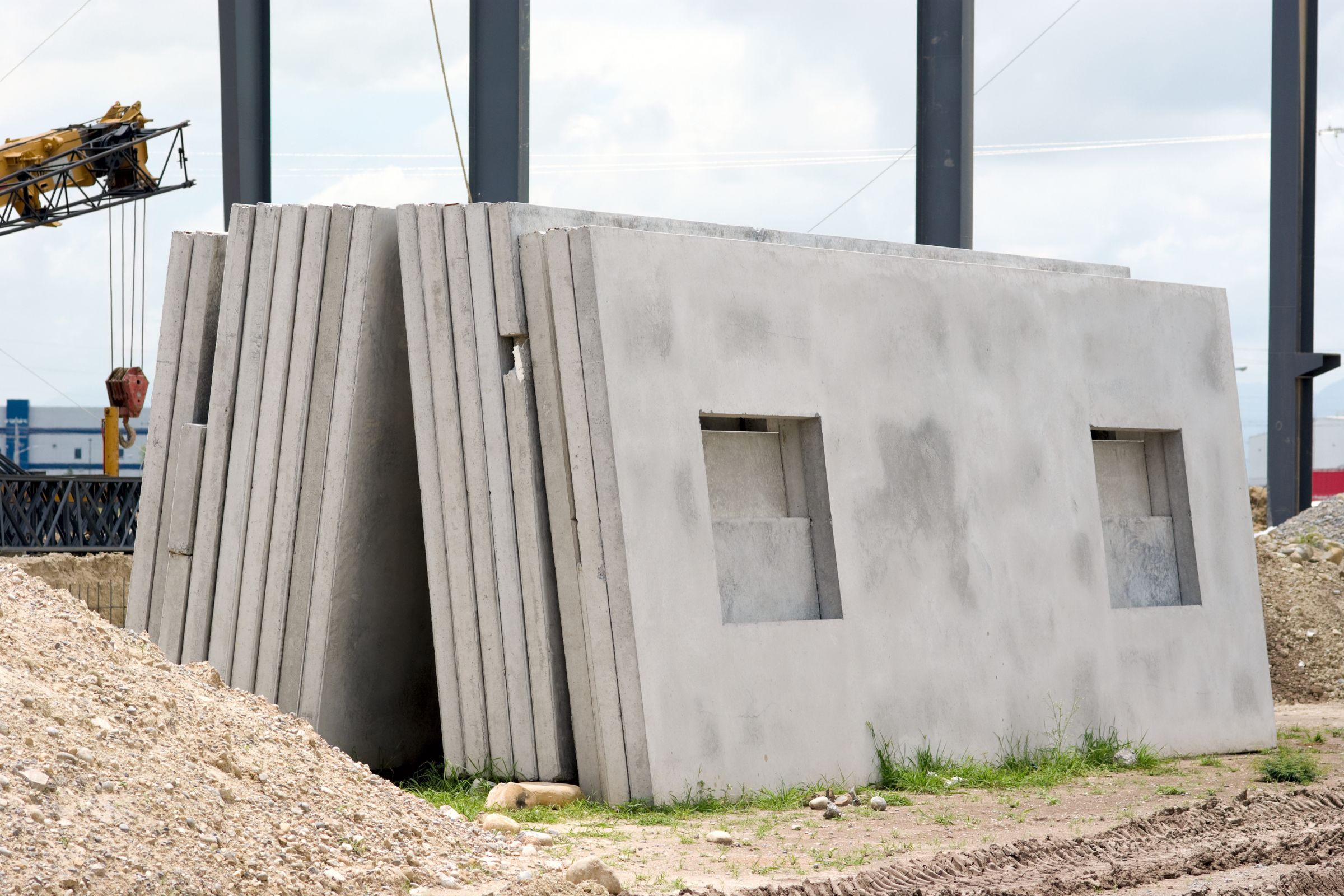
Fabricated panels can include custom textures, patterns, and shapes that elevate building facades and interiors. Many of these applications are used in concrete wall panels for both residential and commercial projects.
Custom Architectural Elements
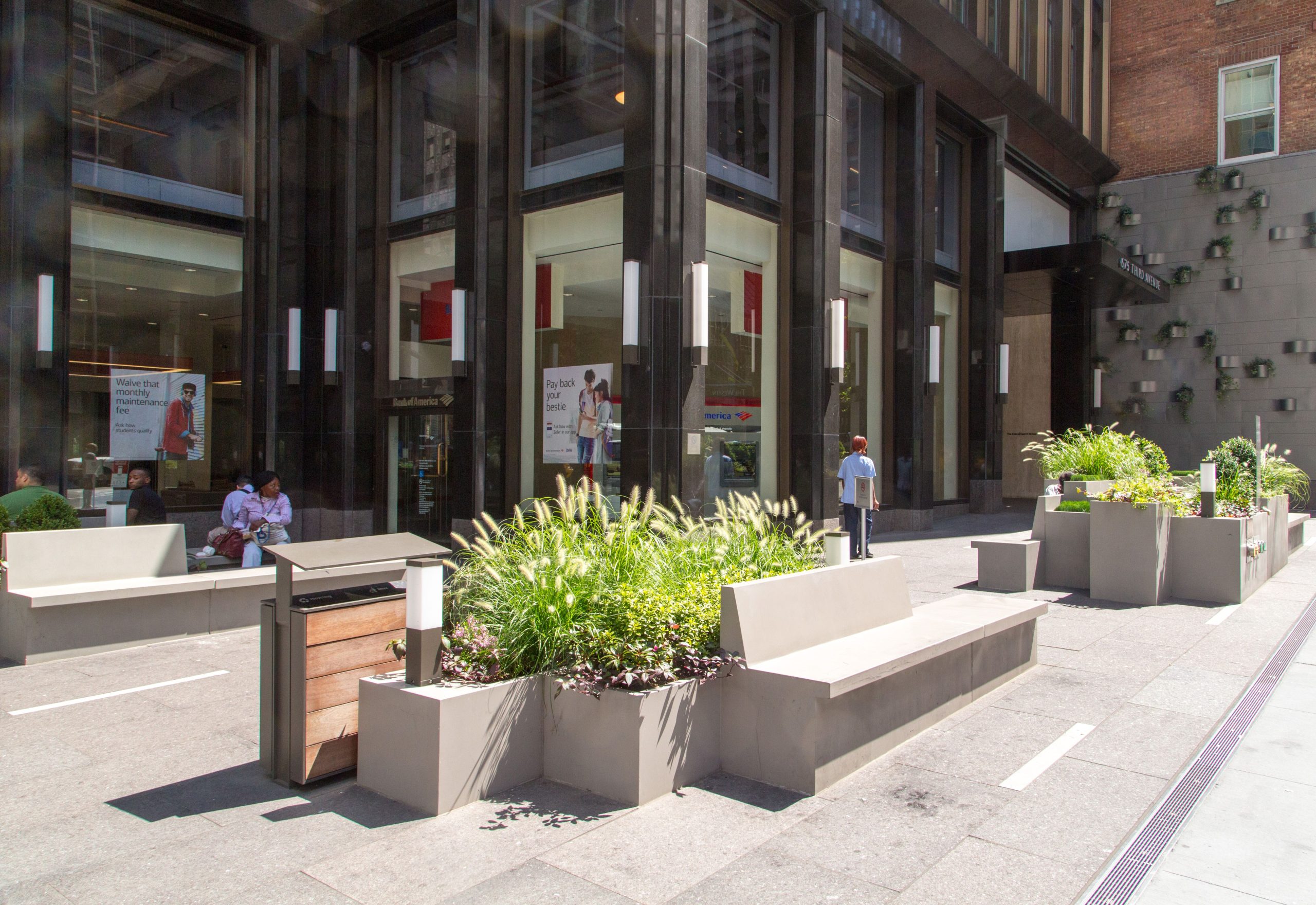
From staircases to seating and decorative features, architectural mold making allows for one-of-a-kind elements that define a space.
Facade Systems
3D fabrication enables the production of lightweight, modular facade systems with complex geometries that would be difficult to achieve using traditional methods.
Interior Design Features
Concrete is increasingly used in interiors for feature walls, furniture, and design accents. Fabrication techniques allow for highly customized finishes that align with modern design trends.
The Importance of Architectural Mold Making
Behind every successful fabricated concrete element is architectural mold making. The mold determines the final shape, texture, and quality of the finished product.
With digital fabrication, molds can be created with:
- Precise dimensions
- Complex surface detailing
- Consistent repeatability
This ensures that the final concrete elements match the original design intent with minimal variation.
How 3D Fabrication Enhances Custom Concrete Projects
For clients and designers, the benefits of custom concrete fabrication go beyond aesthetics.
Customization
Every element can be tailored to the specific needs of a project, from size and shape to texture and finish.
Quality Control
Digital workflows allow for greater oversight throughout the design and production process.
Scalability
Once a design is finalized, it can be replicated across multiple components without losing consistency.
The Future of Concrete and Digital Fabrication
As technology continues to evolve, the role of 3D fabrication concrete will only expand. Architects are increasingly looking for materials and processes that allow for both creativity and efficiency.
Digital fabrication bridges that gap by combining traditional concrete with modern innovation. It allows designers to experiment with new forms while maintaining the strength and reliability that concrete is known for.
Changing the Game
The integration of digital tools into construction is reshaping how buildings are designed and built. Through 3D fabrication concrete, architects and builders can achieve higher levels of precision, efficiency, and creativity.
From CNC concrete molds to advanced architectural mold making, these processes are transforming concrete into a material that is not only functional but also highly expressive.
As demand grows for unique and customized architectural solutions, custom concrete fabrication will continue to play a central role in the future of design.
If you’re looking to incorporate advanced fabrication techniques into your next project, reach out to the team at Concrete Works East to discuss your vision.
Contact Us Today!
FAQ: 3D Fabrication in Concrete
What is 3D fabrication in concrete?
3D fabrication in concrete refers to the use of digital modeling and automated processes like CNC milling to create molds and components with high precision.
How are CNC concrete molds used?
CNC concrete molds are machine-carved forms created from digital designs. They allow for highly detailed and consistent shapes that would be difficult to achieve manually.
Is 3D fabricated concrete stronger than traditional concrete?
The strength of the concrete itself remains similar, but fabrication improves precision, consistency, and overall quality, which can enhance performance.
What types of projects use custom concrete fabrication?
Custom concrete fabrication is used in architectural panels, facades, stair systems, furniture, and decorative features in both residential and commercial projects.
Why is 3D fabrication important in modern architecture?
It allows architects to design more complex and customized structures while improving efficiency, reducing errors, and maintaining high-quality production standards.
Related Posts