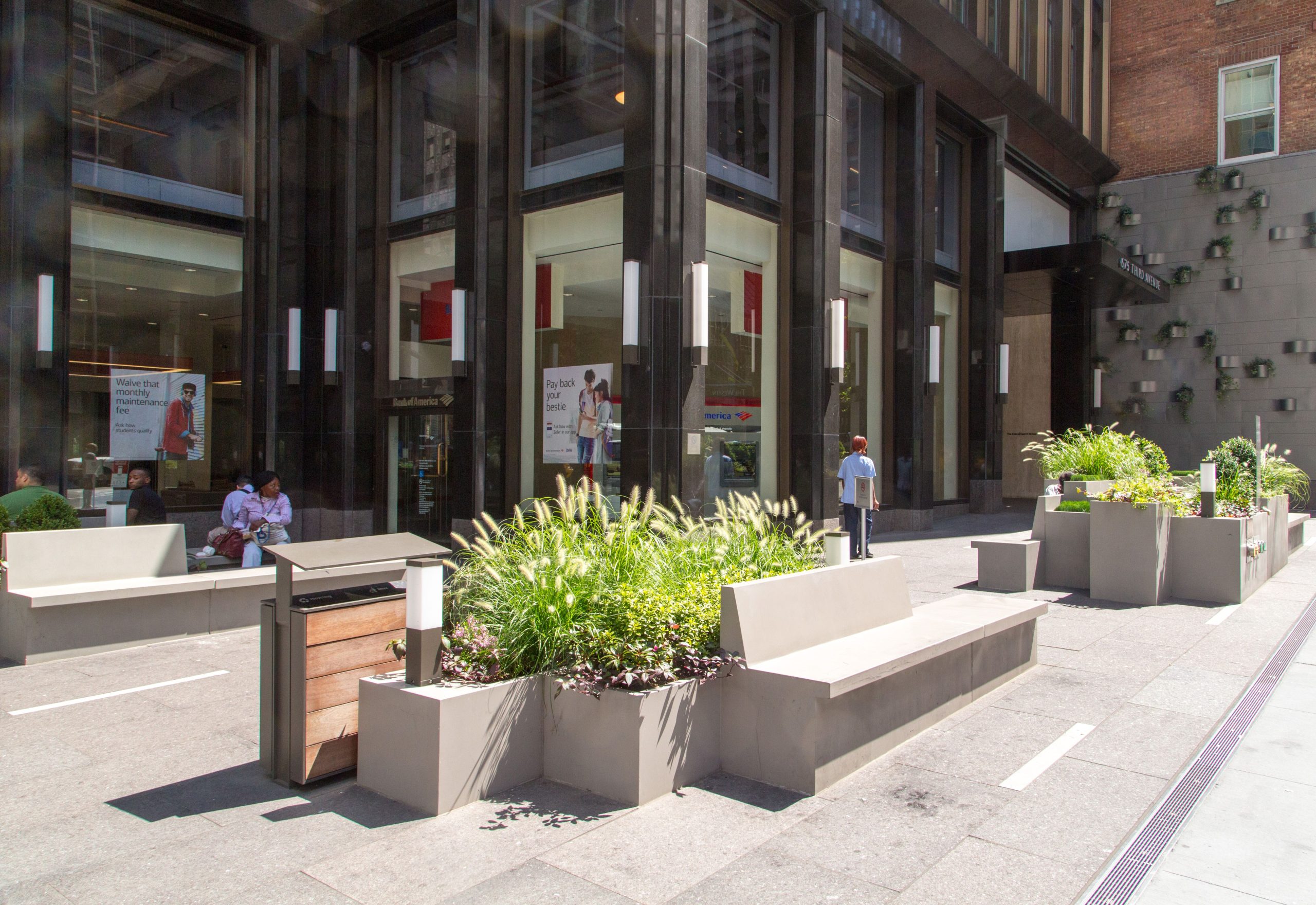
Municipal buildings and public spaces require materials that can do more than look good on opening day. From civic centers…
Architecture is continuing to grow in new directions as designers search for materials that balance durability, aesthetics, and efficiency. One material gaining widespread attention in both residential and commercial construction is concrete wall panels. Once primarily associated with industrial buildings, these panels have evolved into a versatile architectural solution that offers modern style, long-term durability, and creative flexibility.
Today, architects and designers are increasingly turning to architectural wall panels made from concrete to achieve clean lines, textured surfaces, and bold visual statements. Whether used on exterior facades or interior feature walls, concrete panels offer this unique combination of performance while maintaining design freedom that traditional materials often struggle to match. For example, many modern buildings incorporate concrete wall panels to achieve both structural durability and distinctive architectural style.
What Are Concrete Wall Panels?
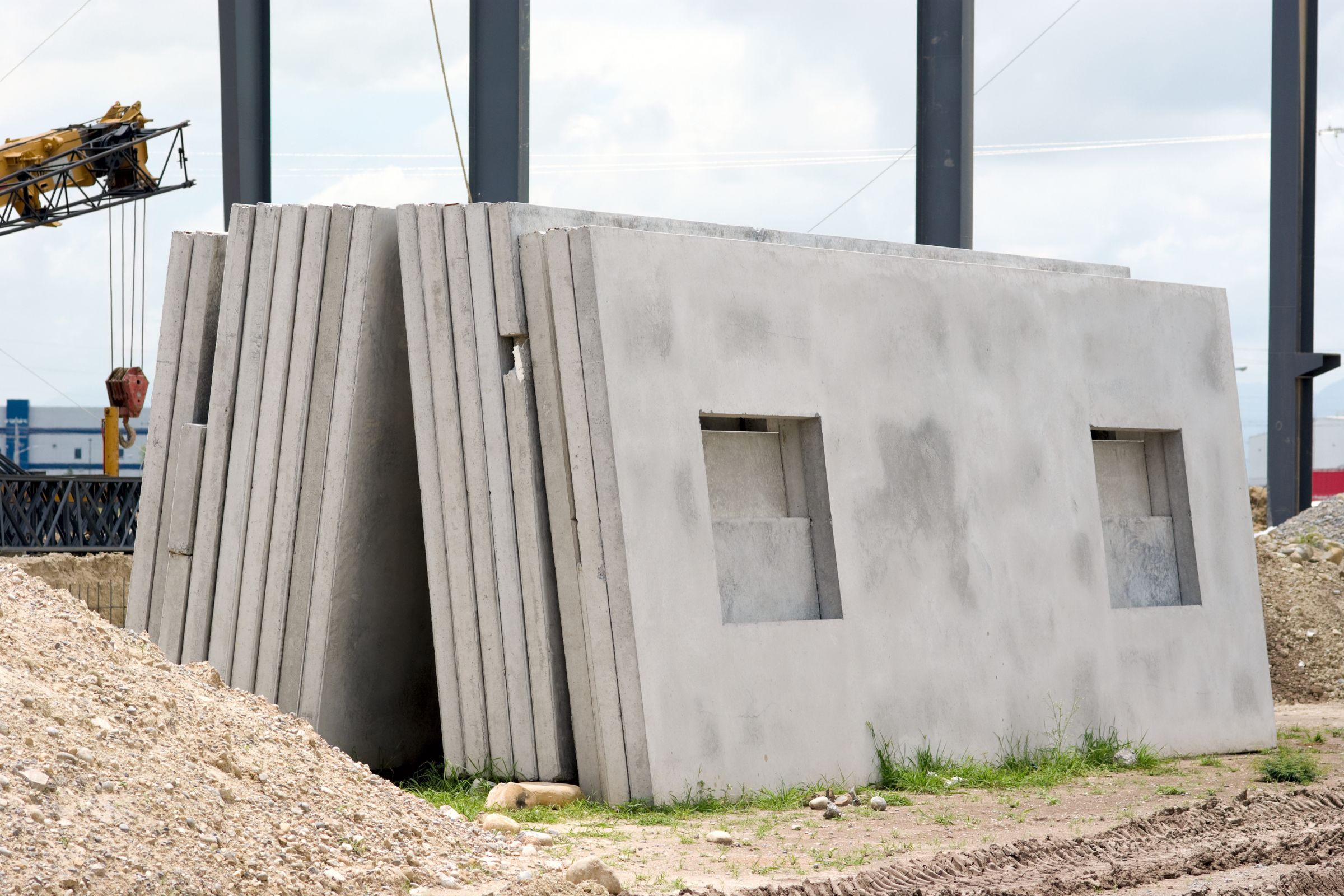
Concrete wall panels are slightly more than they might sound. The material is made up of prefabricated concrete elements used for both structural and decorative applications. They are typically manufactured off-site in controlled environments, allowing for consistent quality, precise dimensions, and a wide variety of finishes.
Unlike traditional poured concrete walls, prefabricated panels can be produced with specialized textures, patterns, and colors. This makes them a popular choice for architects seeking materials that deliver function and visual impact.
Panels can be installed as exterior concrete cladding, interior design features, or occasionally as integrated architectural elements such as stair enclosures and entryways. Their modular nature also allows for faster installation compared to many traditional wall construction methods.
Why Concrete Wall Panels Are Growing in Popularity
There are several reasons why decorative concrete wall panels have become a popular choice in modern architecture. Beyond their striking appearance, they offer a range of practical advantages that make them well-suited for contemporary building projects.
Durability and Longevity
Concrete is known for its strength, and concrete wall panels are no exception. Unlike materials such as wood, drywall, or certain composite products, concrete panels resist weather, moisture, and impact damage. This makes them an ideal option for both interior and exterior applications where long-term durability is essential.
Concrete panels also perform well in harsh environments, maintaining their structural integrity and appearance even when exposed to temperature changes, moisture, and heavy use.
Design Flexibility
One of the most appealing aspects of architectural wall panels is their ability to be customized. Designers can incorporate a variety of textures, patterns, and finishes directly into the panel surface.
Some popular options include:
- Smooth minimalist finishes for modern spaces
- Board-formed textures that replicate natural wood grain
- Geometric patterns for contemporary facades
- Custom colors and pigments integrated into the concrete mix
Because panels are cast in molds, nearly any surface design can be achieved. This flexibility allows architects to create visually distinctive structures that stand out while maintaining the durability of concrete.
Efficient Installation
Another key advantage of concrete wall panels is their installation efficiency. Since panels are fabricated off-site, construction teams can install them quickly once they arrive at the project location.
This attribute reduces on-site labor, shortens construction timelines, and helps maintain consistent quality throughout the building process. For large-scale commercial developments, this efficiency can significantly improve project schedules. It also saves money!
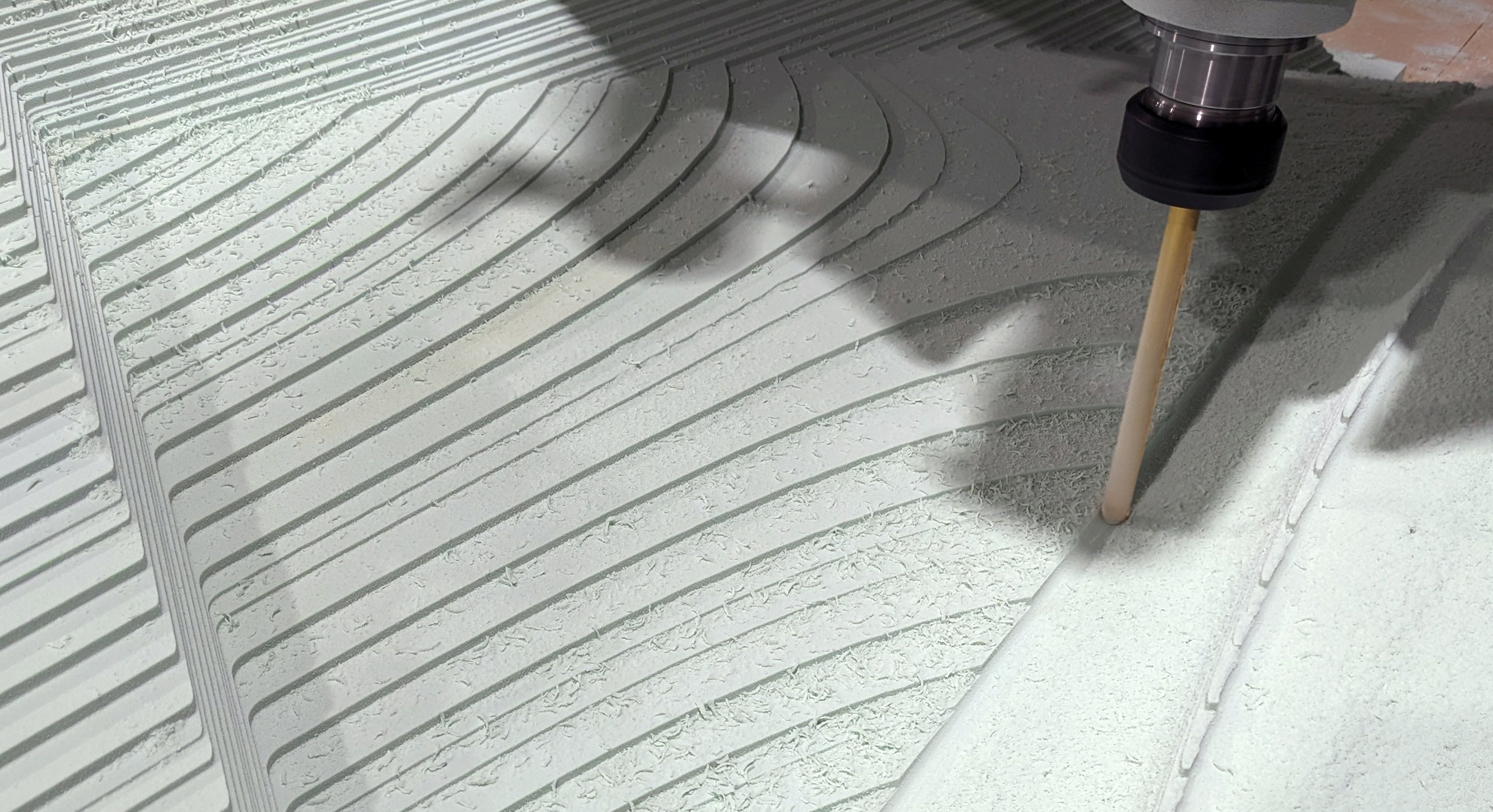
Advanced fabrication processes such as CNC mold creation and digital modeling allows panels to be manufactured with high precision. Many of these fabrication techniques are explored in modern concrete manufacturing methods like those used in advanced fabrication processes. For example, innovative techniques similar to those used in 3D fabrication for concrete design help bring complex architectural concepts to life.
Interior Applications for Concrete Wall Panels
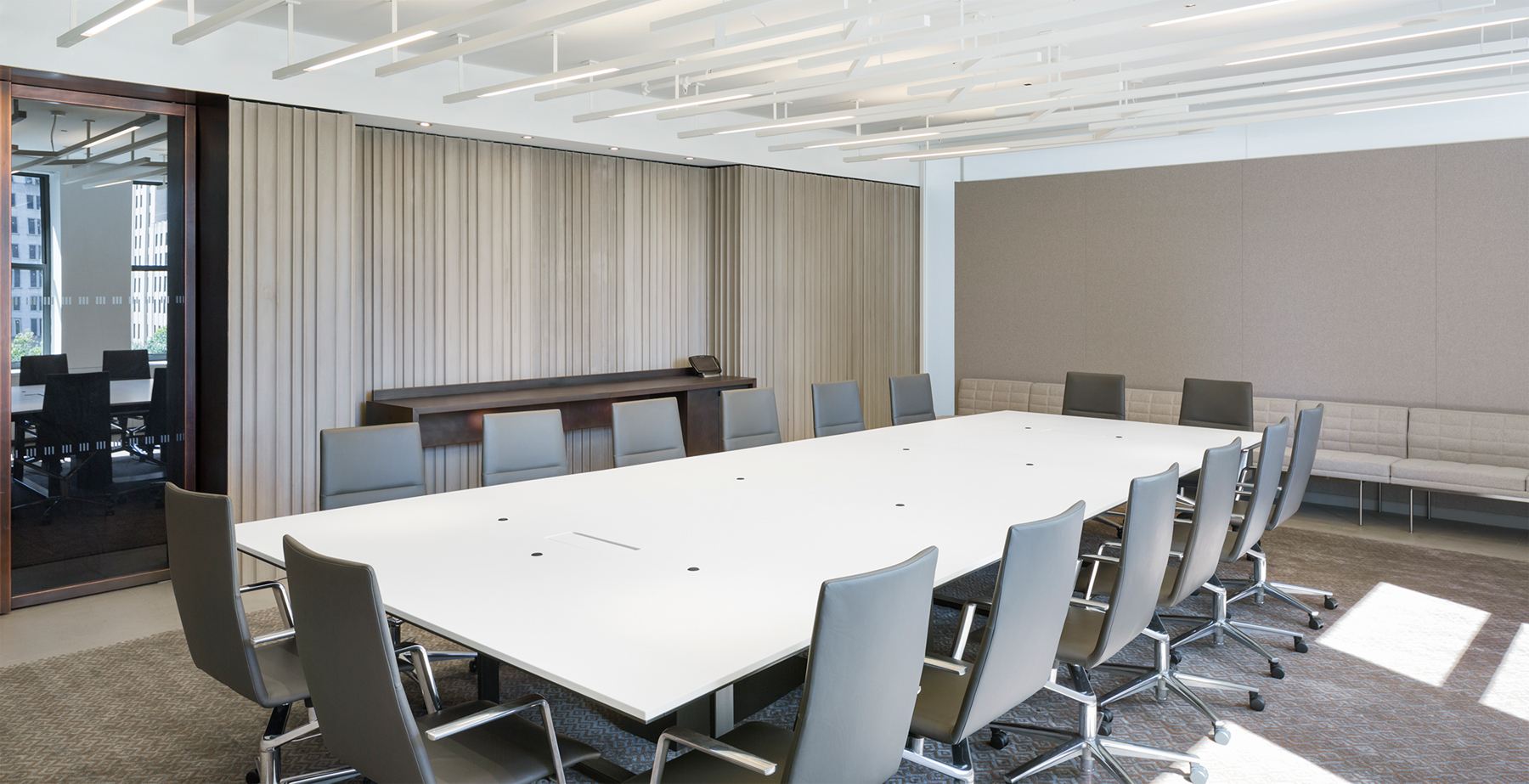
While concrete is often associated with brutalism and exterior construction, they are becoming increasingly popular inside buildings and under new contexts. Designers use interior concrete panels to create feature walls that add depth and character to a space.
In residential homes, these panels can serve as striking living room accent walls or fireplace surrounds. Their natural texture creates visual interest while maintaining a clean and modern aesthetic.
In commercial environments, concrete panels are frequently used in:
- Hotel lobbies
- Retail environments
- Office reception areas
- Restaurants and hospitality spaces
Their ability to balance raw material authenticity with sophisticated design makes them particularly appealing in contemporary interiors. Many designers also pair wall panels with decorative finishes found in architectural concrete finishes to create cohesive, visually engaging interiors.
Exterior Uses for Concrete Wall Panels
On the outsides of buildings and homes, exterior concrete cladding provides both visual appeal and protective performance. Panels can be used to create seamless building facades that withstand weather and environmental stress while maintaining their appearance for decades.
Exterior applications include:
- Commercial building facades
- Residential architectural accents
- Apartment and condominium developments
- Institutional and civic buildings
Concrete panels also pair well with other modern materials such as glass, steel, and wood, allowing architects to create visually balanced designs that combine multiple textures and finishes.
Sustainability and Long-Term Performance
Sustainability is becoming an increasingly important factor in architectural design, and concrete panels can support environmentally responsible building strategies. Because decorative concrete wall panels are highly durable, they require minimal maintenance and replacement over time.
Their longevity helps reduce material waste and lifecycle costs. In addition, advanced manufacturing methods allow for efficient material usage and consistent quality during production.
When properly designed and installed, concrete panels can last for decades while maintaining their structural performance and aesthetic integrity.
Why Designers Continue Choosing Concrete Panels
Modern architecture requires materials that can keep up with both design ambitions and performance expectations. Concrete wall panels offer a powerful alternative to traditional materials, combining durability, versatility, and aesthetic appeal in one adaptable system.
Whether used for interior concrete panels that transform a room or exterior concrete cladding that defines an entire building, these architectural elements continue to reshape how designers approach contemporary construction.
As fabrication technology advances and architectural creativity expands, concrete panels will likely remain at the forefront of innovative building materials, proving that concrete is no longer just structural, but truly architectural.
Interested in learning more? Starting your own construction project? Contact Us for more information on the construction and architectural developments of the future.
Related Posts