When people think of concrete, they often imagine strength, structure, and durability. Past brutalist architecture brings about visions of imposing…
Concrete has long been a staple in construction, but in modern architecture it has evolved into a highly expressive design material. One of the most sought-after finishes today is board-form concrete, a technique that blends raw material strength with natural texture.
This guide explains what board-form concrete is, how it is made, where it is used, and why architects and designers continue to choose it for both interior and exterior applications.
What Is Board-Form Concrete?
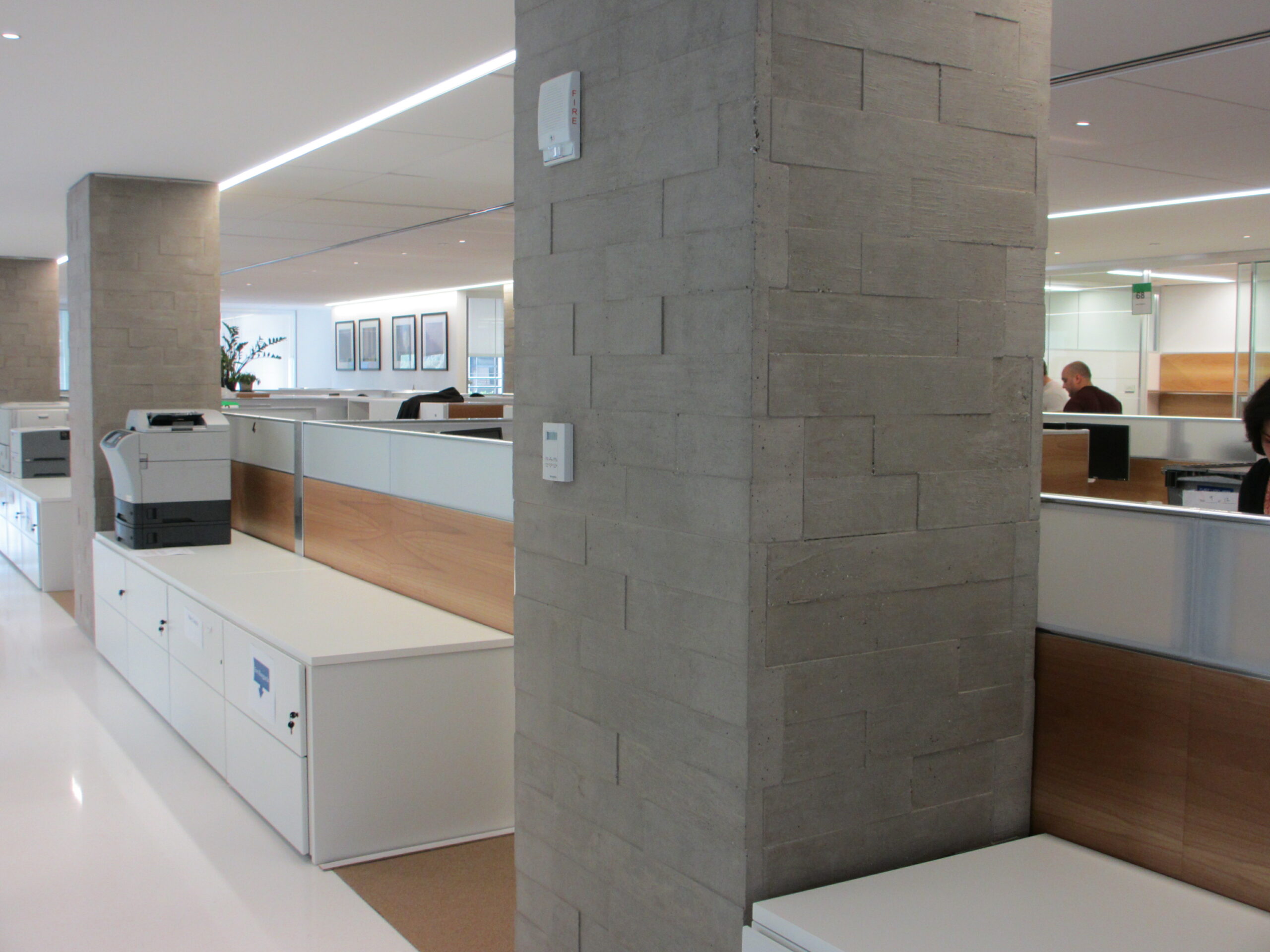
Board-form concrete is a type of architectural concrete finish created by casting concrete against wooden boards. As the concrete cures, it captures the grain, knots, and imperfections of the wood surface. The result is a textured finish that combines the durability of concrete with the organic look of natural wood.
Unlike smooth or polished concrete, board-form finishes are intentionally irregular. Each panel has unique variations, which gives projects a more handcrafted and natural appearance.
How Board-Form Concrete Is Made
The process of creating board-form concrete requires precision and planning. While the concept is simple, the final result depends heavily on craftsmanship and material selection.
Step 1: Preparing the Formwork
Wood planks are arranged to create a mold or form. The type of wood, spacing, and orientation all influence the final texture. Designers may choose rough-sawn lumber for a deeper grain or smoother boards for a more subtle finish.
Step 2: Pouring the Concrete
Concrete is poured into the formwork and allowed to settle. Careful placement is essential to avoid air pockets and inconsistencies.
Step 3: Curing and Removal
Once the concrete cures, the wooden boards are removed. The surface reveals the transferred texture, including wood grain patterns and natural imperfections.
Step 4: Finishing and Sealing
The surface may be sealed to enhance durability and protect against moisture. Some projects also include light sanding or staining to achieve a specific look.
Advanced fabrication techniques can also be used to refine this process. Methods similar to those used in 3D fabrication for concrete allow for greater control over formwork and detailing in complex architectural projects.
Why Board-Form Concrete Is Popular
Board-form concrete has become a defining feature in modern design for several key reasons.
Natural Aesthetic
The wood grain texture adds warmth to concrete, which is often perceived as cold or industrial. This balance makes it ideal for both contemporary and rustic environments.
Durability
Concrete is inherently strong and long-lasting. When combined with proper sealing, board-form concrete resists weather, wear, and environmental exposure.
Unique Appearance
No two surfaces are identical. The natural variation in wood grain ensures that every installation is one of a kind.
Versatility
Board-form concrete can be used in a wide range of applications, from large building facades to smaller interior features.
Common Applications of Board-Form Concrete
Board-form concrete is used across residential, commercial, and public projects. Its versatility allows it to function as both a structural and decorative element.
Exterior Facades
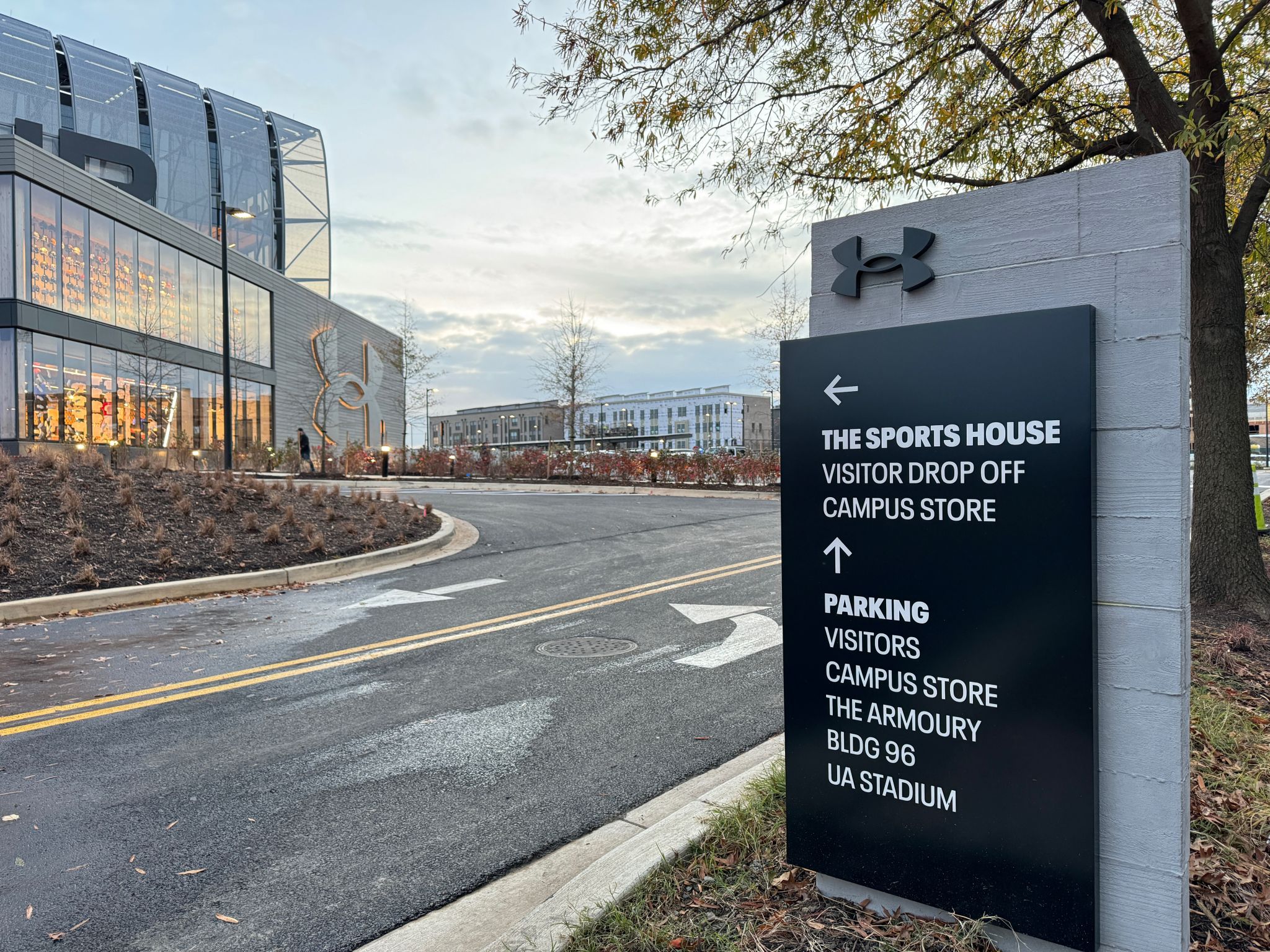
Architects often use board-form finishes for building exteriors. The texture creates visual depth while maintaining the strength required for long-term performance.
Interior Feature Walls
Inside a space, board-form concrete adds character and texture. It is commonly used in living rooms, lobbies, and commercial interiors to create a focal point.
Landscape and Hardscape Design
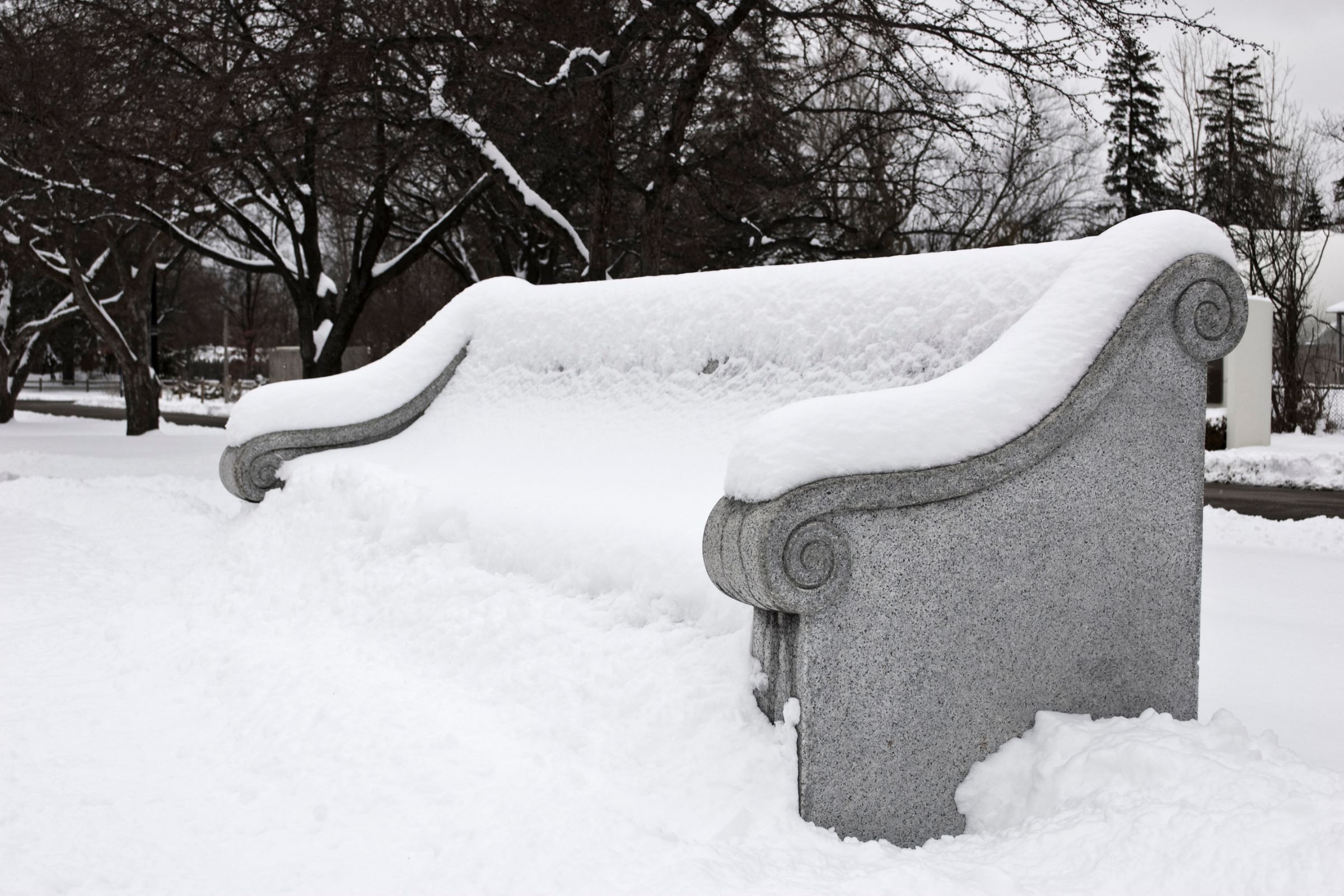
Outdoor applications include retaining walls, planters, and seating elements. The natural texture pairs well with greenery and outdoor environments.
Architectural Wall Panels
Prefabricated concrete wall panels can incorporate board-form textures, allowing for faster installation while maintaining the same aesthetic.
Board-Form Concrete vs Smooth Concrete
Understanding the difference between board-form and smooth concrete helps determine which is right for a project.
| Feature | Board-Form Concrete | Smooth Concrete |
|---|---|---|
| Texture | Wood grain, textured | Flat and uniform |
| Aesthetic | Organic and natural | Clean and minimal |
| Variation | High | Low |
| Applications | Feature walls, facades | Floors, structural elements |
Board-form concrete is typically chosen when design impact is a priority, while smooth concrete is used for more minimal or functional surfaces.
Design Considerations
Before choosing board-form concrete, there are a few important factors to consider.
Wood Selection
Different wood types produce different textures. Rough lumber creates deeper impressions, while smoother boards result in a more refined look.
Panel Layout
The orientation of boards can significantly affect the final design. Horizontal layouts create a layered effect, while vertical boards can make a space feel taller.
Color and Finish
Concrete can be left natural or enhanced with stains and pigments. Pairing board-form textures with custom concrete finishes allows for greater design flexibility.
Maintenance
While durable, board-form concrete should be sealed to protect against moisture and staining, especially in exterior applications.
Is Board-Form Concrete Right for Your Project?
Board-form concrete is an excellent choice for projects that require both durability and visual impact. It works particularly well in:
- Modern residential homes
- Commercial buildings
- Hospitality spaces
- Landscape architecture
Its ability to bridge natural and industrial aesthetics makes it a versatile option for many design styles.
Board-form concrete represents the evolution of concrete from a purely structural material to a design-driven element. By combining the strength of concrete with the warmth of wood texture, it offers a unique solution for architects and designers looking to create memorable spaces.
Whether used for large-scale facades or detailed interior features, board-form concrete continues to shape modern architecture in a way that is both functional and visually compelling.
For more information on how textured concrete can be incorporated into your next project, you can also explore additional architectural resources such as this overview from the American Concrete Institute, which provides deeper insight into concrete design standards and best practices.
If you have any additional questions, please feel free to Contact Us to learn more!
Related Posts