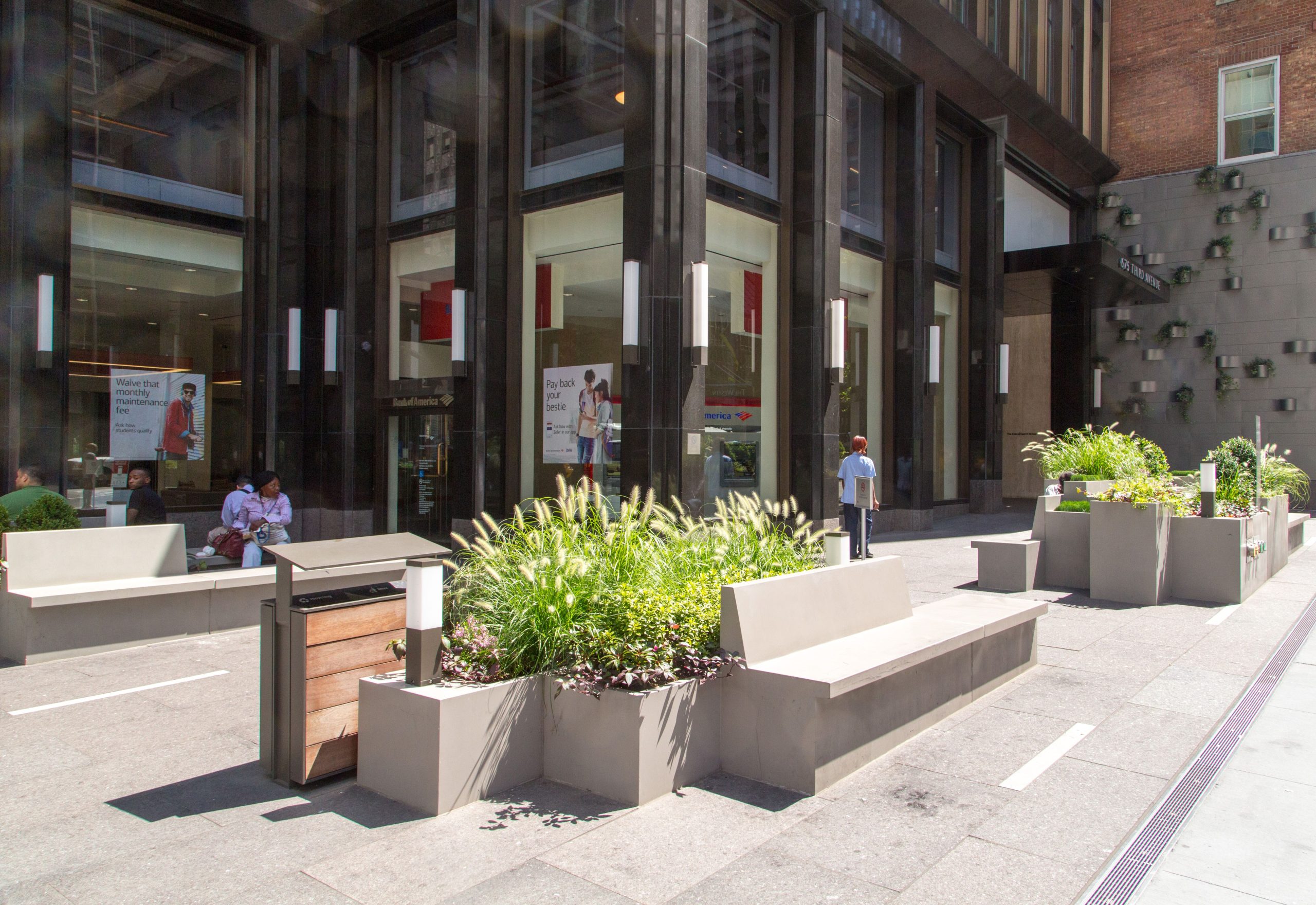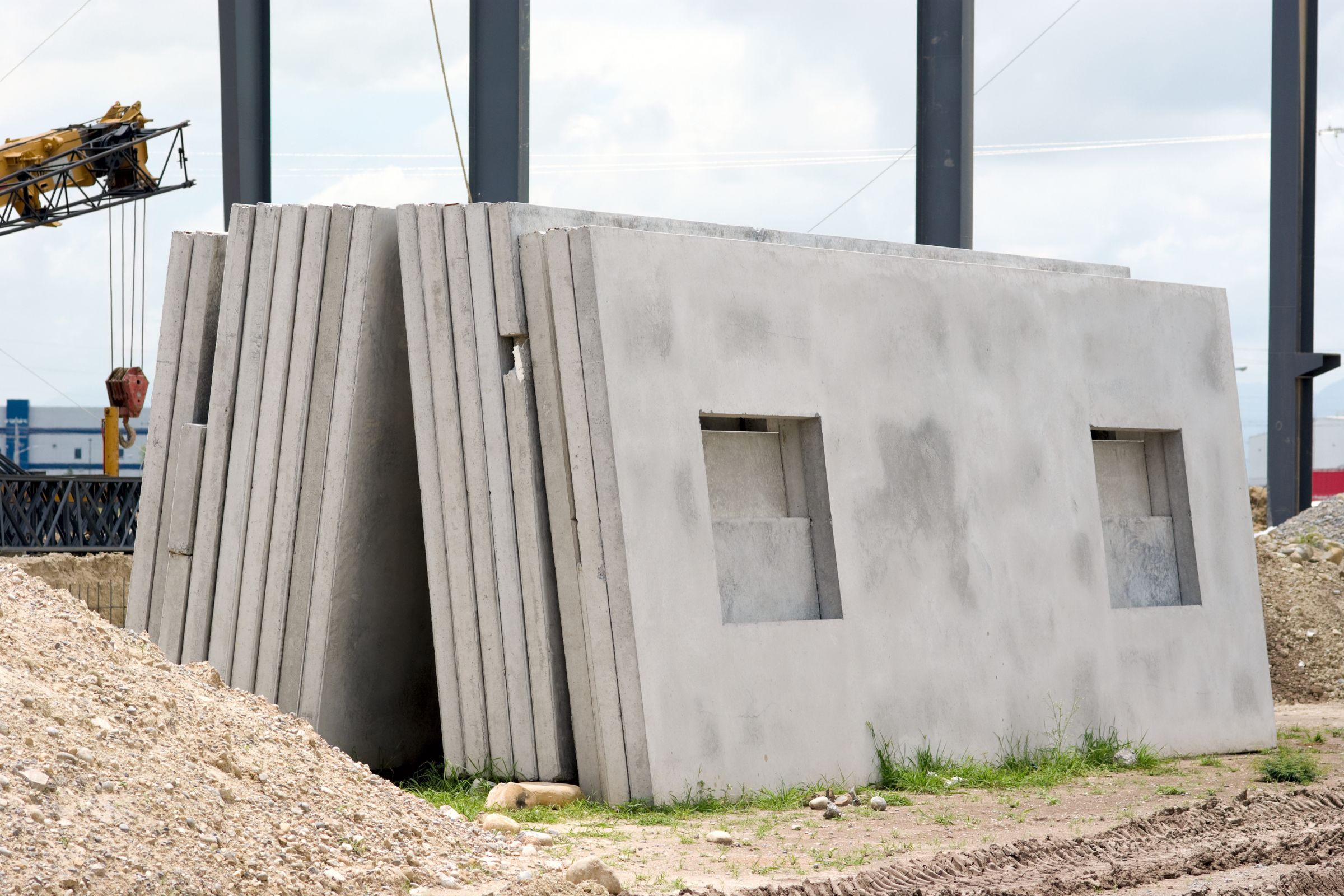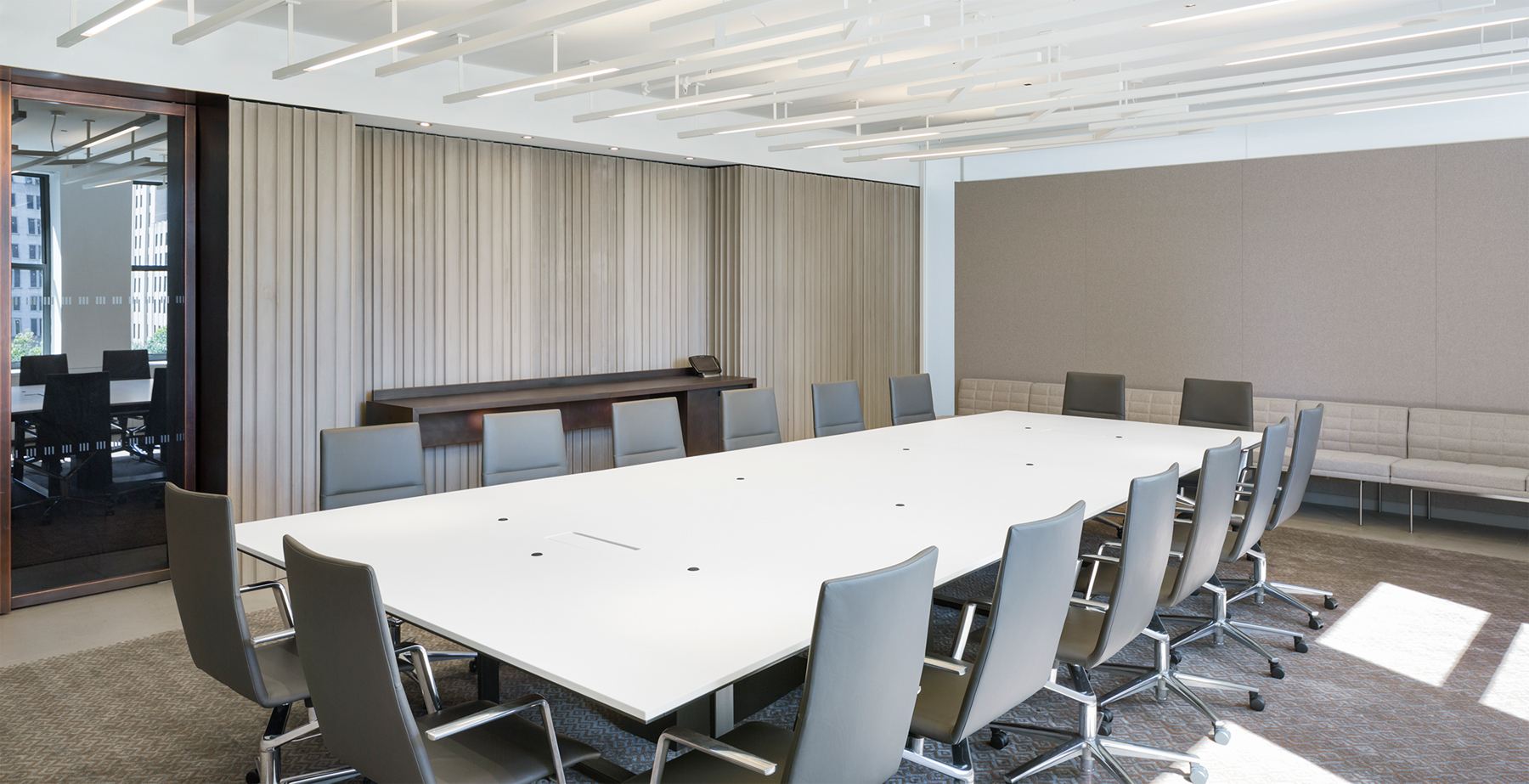
Municipal buildings and public spaces require materials that can do more than look good on opening day. From civic centers…
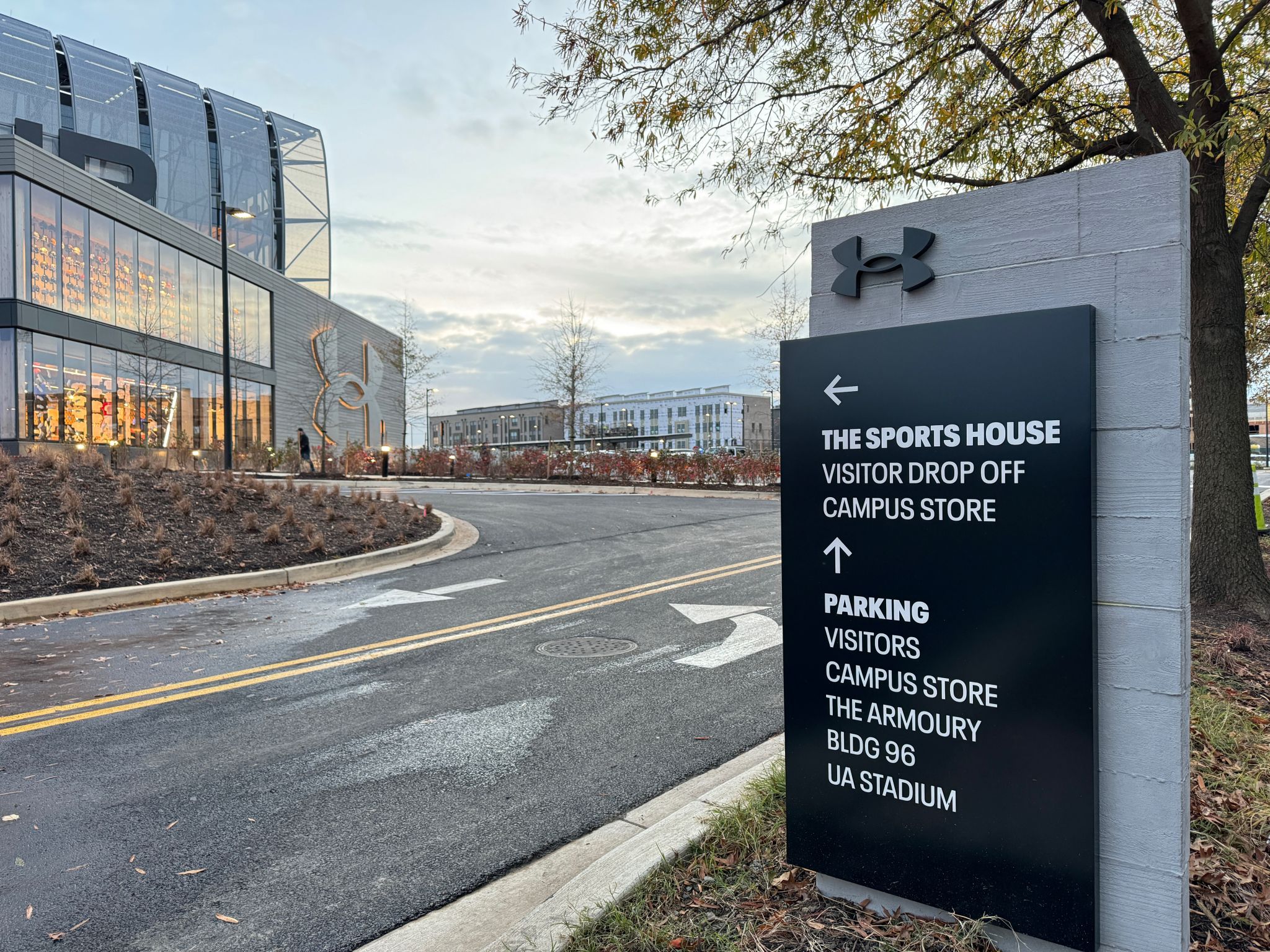
In the ever-evolving world of architectural innovation, materials play a key role in defining both the function and beauty of a space. One material gaining rapid momentum in contemporary design is GFRC wall panels. Known for their remarkable strength-to-weight ratio, design versatility, and sustainable benefits, GFRC (Glass Fiber Reinforced Concrete) has quickly become a go-to solution for architects, designers, and builders who seek to push creative boundaries without compromising structural performance.
Let’s explore what makes GFRC wall panels a standout choice and how they’re reshaping both exterior and interior design landscapes.
What Are GFRC Wall Panels?
GFRC wall panels are made from a composite of fine sand, cement, water, and alkali-resistant glass fibers. Unlike traditional precast concrete, which can be thick and heavy, GFRC uses glass fibers instead of steel reinforcement, making the panels significantly lighter while maintaining exceptional durability and strength.
These panels are typically used in non-structural applications such as building facades, feature walls, soffits, and cladding. Despite their lighter weight, they offer high flexural strength and resistance to cracking, making them ideal for a wide range of high-performance design applications.
Why Choose GFRC Wall Panels?
1. Lightweight Yet Incredibly Durable
A primary advantage of GFRC wall panels is their high strength-to-weight ratio. Because of the glass fiber reinforcement, the panels can be cast in thinner sections without sacrificing integrity. This results in easier handling, faster installation, and reduced structural support requirements—translating to cost savings and design freedom.
2. Design Flexibility
One of GFRC’s most appealing features is its flexibility in form and finish. Architects can achieve complex curves, fine detailing, and intricate textures that would be difficult or impossible with traditional concrete. From smooth polished surfaces to board-formed textures or stone-like finishes, GFRC opens up new avenues for creative expression in both exterior cladding and interior feature walls.
3. Eco-Friendly and Sustainable
GFRC production requires less raw material than traditional concrete due to its thinner profile. It also minimizes reliance on steel reinforcement, reducing the environmental impact. Additionally, its long lifespan, resistance to weathering, and low maintenance needs make it a sustainable material choice for green building initiatives.
4. Weather and Impact Resistance
Whether used in cold, wet climates or sun-drenched regions, GFRC wall panels are built to withstand the elements. They’re resistant to freeze-thaw cycles, UV degradation, and corrosion—making them ideal for both interior and exterior use in harsh environments.
5. Low Maintenance, Long-Term Value
Unlike materials that require regular sealing or repainting, GFRC is incredibly low maintenance. Its durability means less upkeep over time, which is especially valuable in commercial or public spaces where long-term performance and aesthetic retention are crucial.
Applications of GFRC Wall Panels
Exterior Building Facades
One of the most common uses of GFRC wall panels is as architectural cladding for commercial buildings, apartment complexes, and institutional facilities. The panels can mimic natural materials like stone or wood while offering superior durability and performance.
The lightweight nature of GFRC also means that buildings can incorporate large panel sizes with fewer joints, leading to a sleek, contemporary appearance that’s both functional and visually striking.
Interior Feature Walls
In luxury residential projects, hotels, and retail spaces, GFRC panels are often used to create dramatic, sculptural interior walls. Their moldability allows designers to play with depth, pattern, and shadow, adding tactile and visual interest to otherwise flat surfaces.
From lobbies and elevator banks to conference rooms and lounge spaces, GFRC panels can create memorable interiors that balance strength with sophistication.
Monumental and Decorative Features
GFRC is increasingly being used in custom projects such as museum facades, public art installations, and decorative panel systems. Because it can replicate the appearance of natural stone at a fraction of the weight, it’s also ideal for historical restoration projects where preserving the aesthetic is key while reducing load on existing structures.
GFRC vs. Traditional Precast Concrete Panels
| Feature | GFRC Wall Panels | Traditional Precast Concrete |
|---|---|---|
| Weight | Lightweight | Heavy |
| Thickness | Thin profiles (as little as ½”) | Thicker sections required |
| Reinforcement | Glass fibers | Steel rebar or mesh |
| Design Flexibility | Highly moldable | Limited to simpler forms |
| Installation | Easier, faster | Requires more support |
| Sustainability | Lower resource usage | Higher material consumption |
What to Consider When Choosing GFRC Wall Panels
When incorporating GFRC wall panels into your design, several considerations will help ensure optimal performance and results:
Panel Thickness and Backing: Depending on the application (interior vs. exterior), the panel may need different support or framing systems.
Finish and Color Matching: GFRC can be pigmented and textured, but ensure consistency across large batches if seamless finishes are desired.
Installation Expertise: While easier to handle, GFRC still requires trained professionals for proper attachment and alignment—especially in large facade systems.
Why GFRC Is the Future of Wall Panel Design
As architecture continues to evolve toward more sustainable, expressive, and technologically advanced materials, GFRC wall panels stand out as a smart solution for today’s—and tomorrow’s—design needs. Their ability to combine high performance with artistic freedom makes them an invaluable asset for any project seeking form, function, and long-term value.
Whether you’re designing a dramatic hotel facade, a sculptural interior feature wall, or a custom art installation, GFRC wall panels provide the durability, aesthetics, and adaptability you need to bring your vision to life. In an industry where materials must work harder and smarter, GFRC is leading the charge.
Related Posts